
SHORT-BLOCK CHARLIE IS ALWAYS PUSHING THELIMITS.
Not every project ships to a customer. Some exist to find out what's possible — to test a theory, prove a process, or build the knowledge that makes every other job better.
WHY WE R&D.
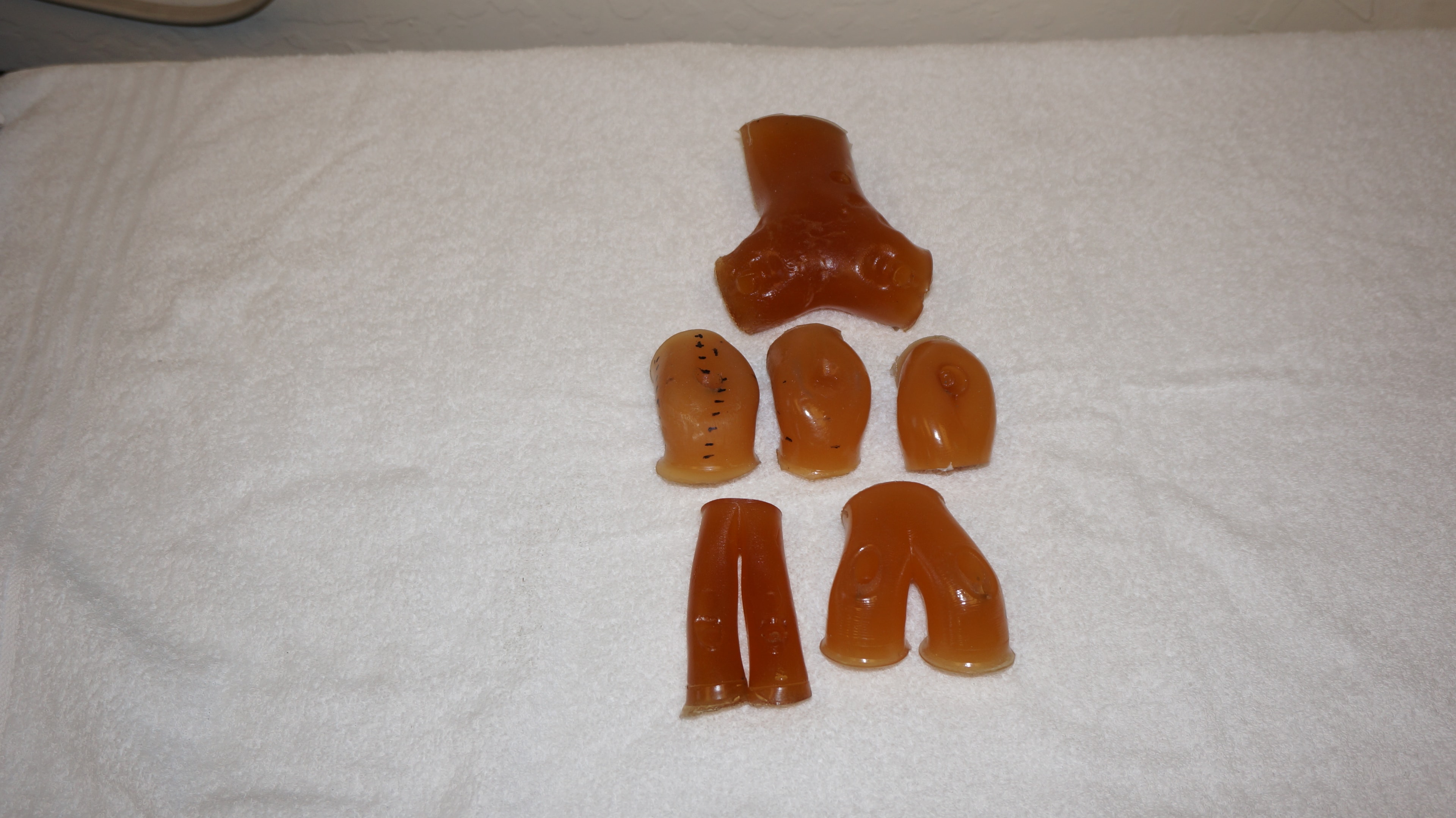
Race engines don't get faster by accident. Every gain comes from understanding what's actually happening inside the combustion chamber, the port, and the drivetrain. These projects are how we build that understanding — and how we stay ahead of what the industry thinks is possible. We're always experimenting. We recently purchased a 3D printer — another learning curve to take on. We're currently designing templates for Harley-Davidson heads to assist in the paint process so you don't need to mask parts. We're also doing more R&D on offset seats in Pan-American and Sportster S cylinder heads.We are in the process of getting the NEW HARLEY DAVIDSON SPRINT 440. Plans include designing a cylinder head porting program and designing appearance parts.
Cylinder Head Development
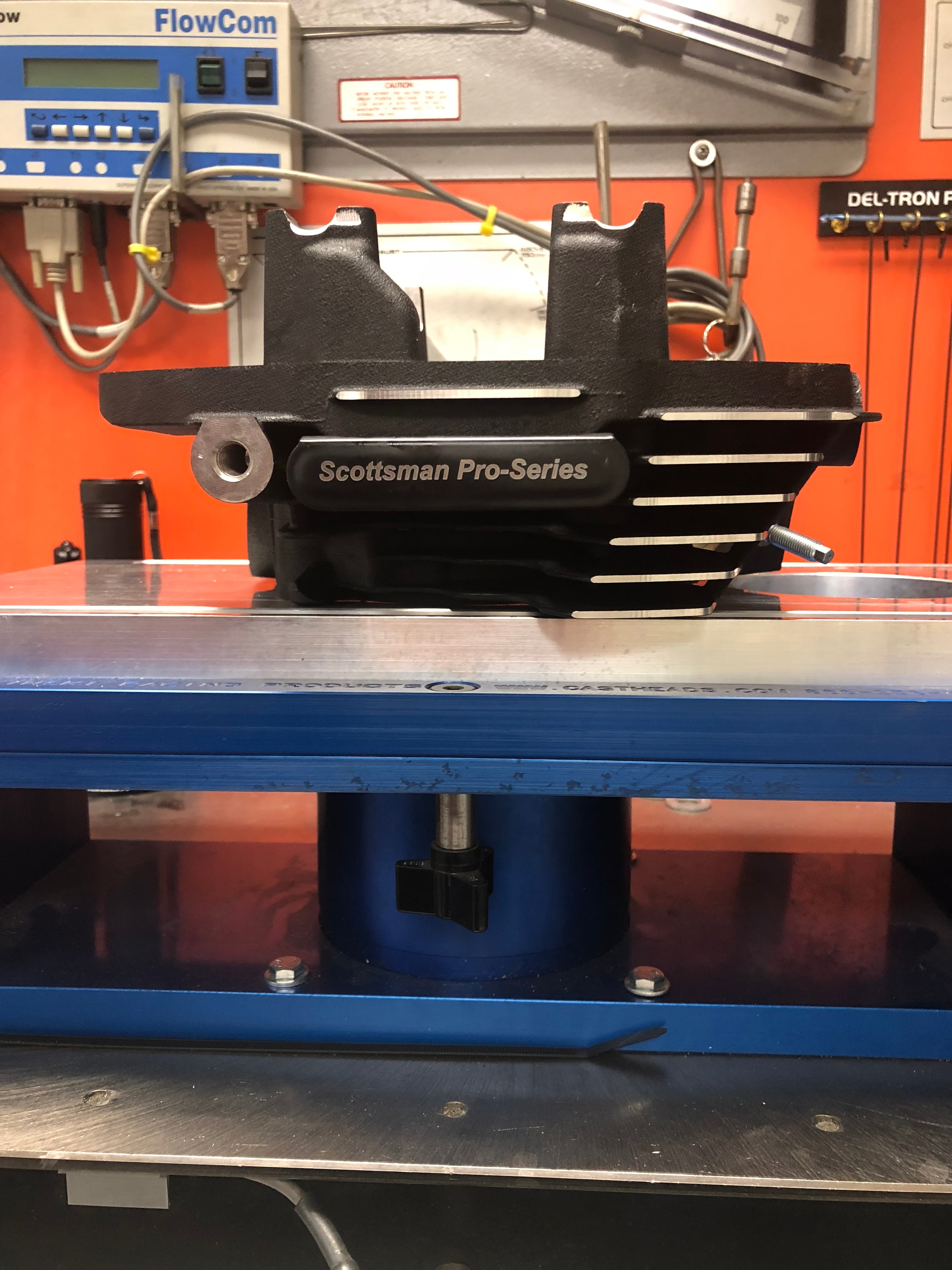
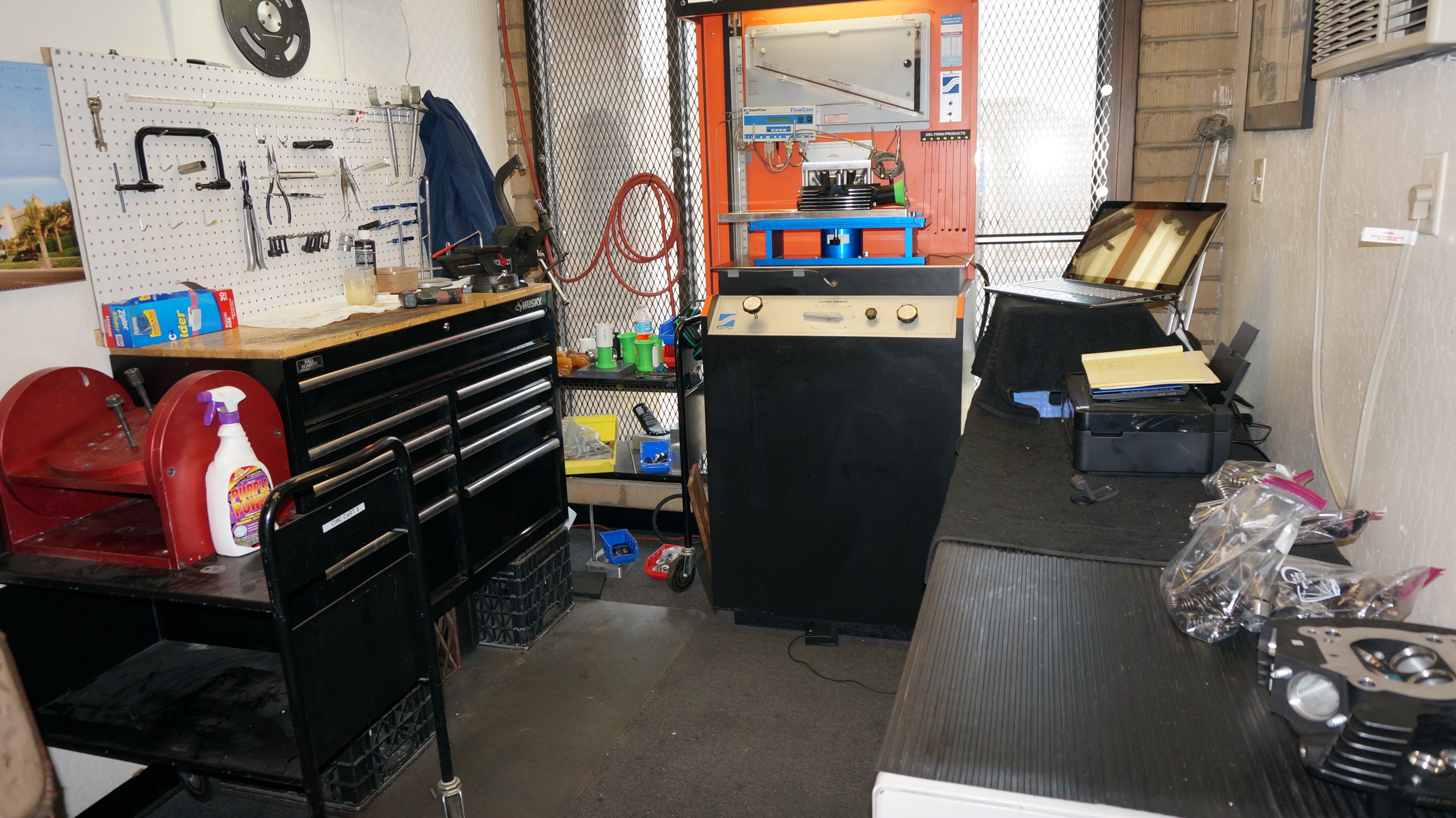
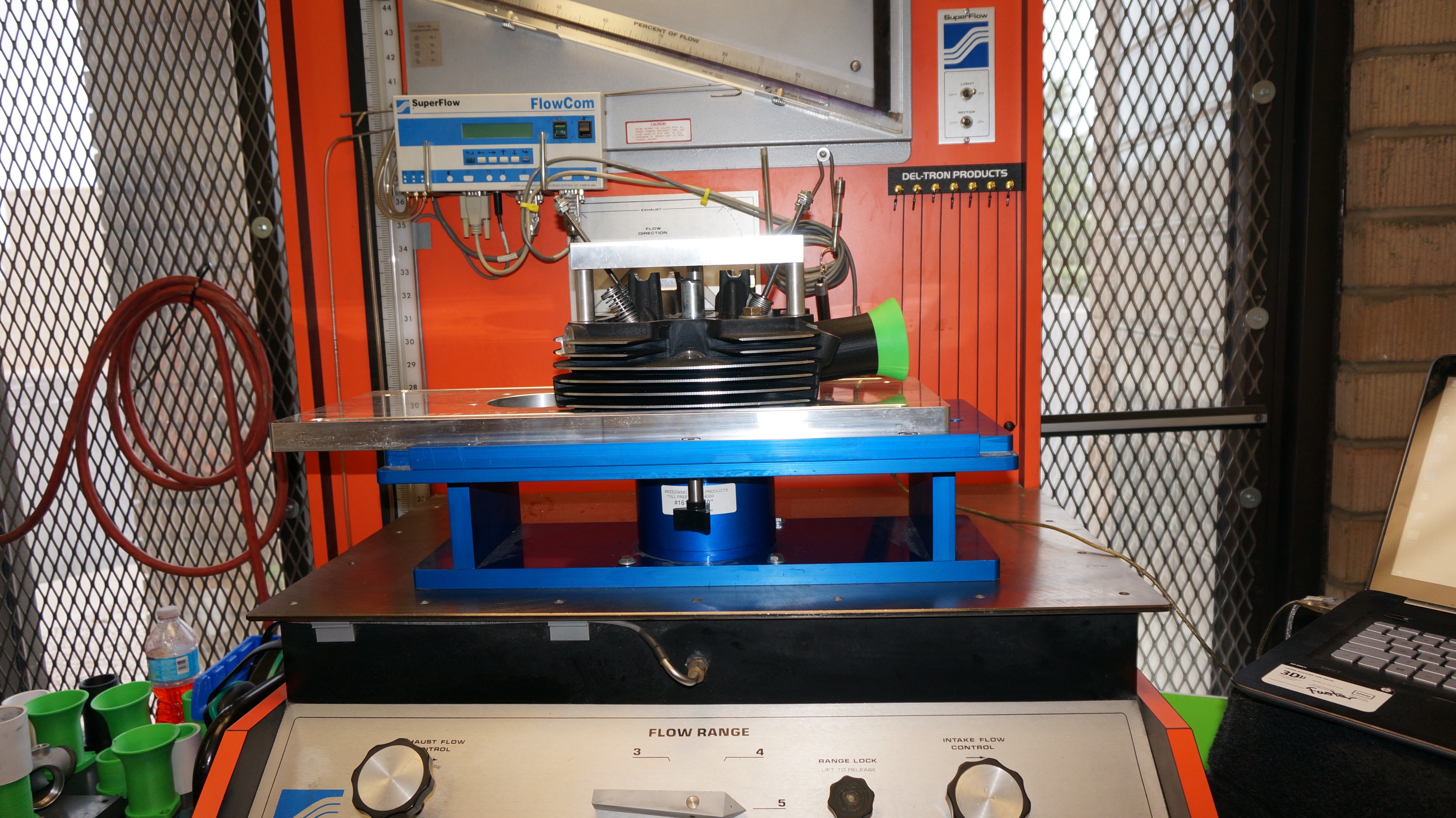
M-8 High-Flow Port Study
Systematic port shape development for Milwaukee-Eight heads using the SuperFlow SF-600 bench. Testing multiple throat diameter and bowl geometry combinations to map the relationship between port velocity and peak flow numbers across the RPM range.
Valve Train
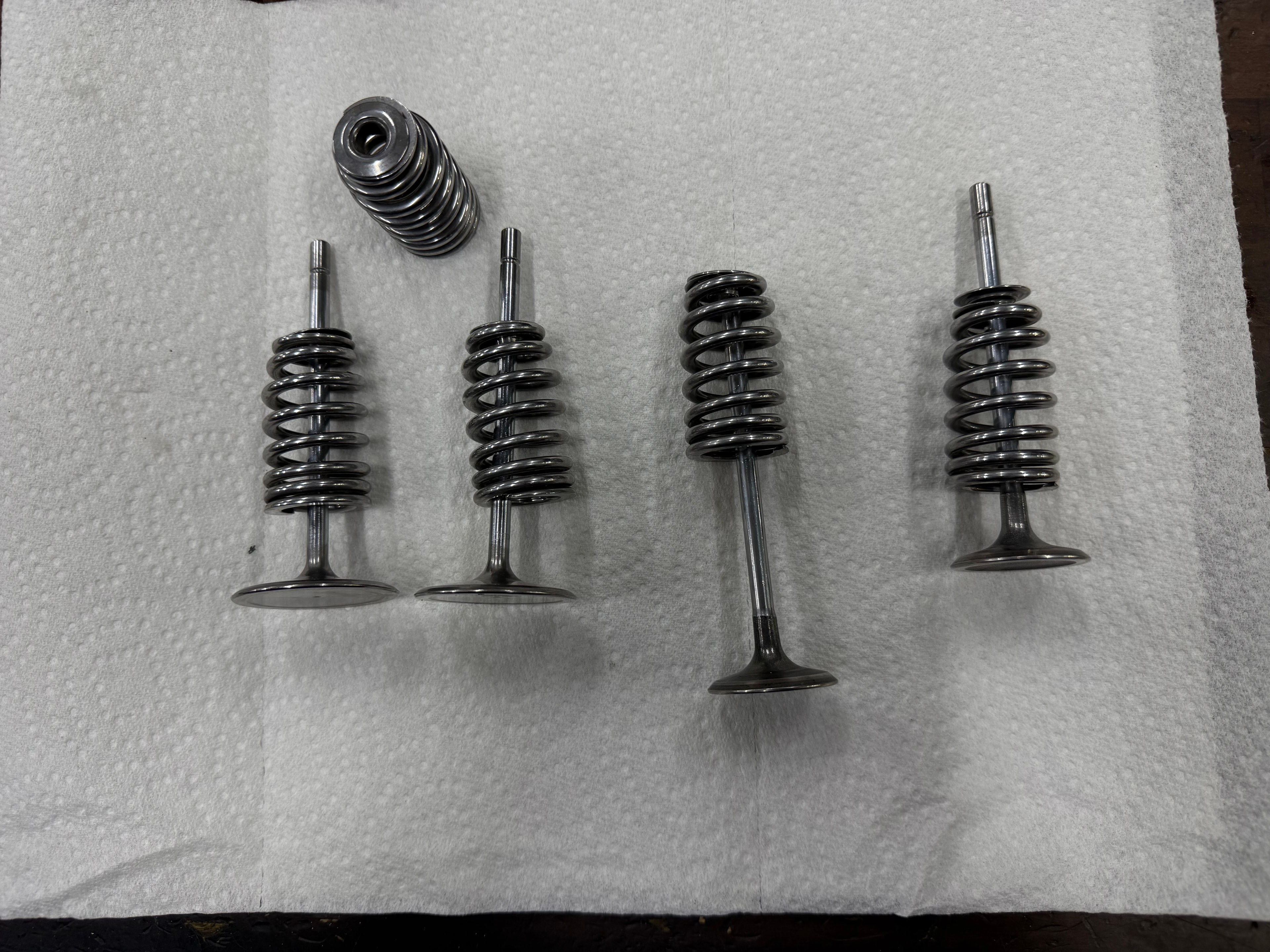
Titanium Retainer Evaluation on Pan-American and Sportster S Cylinder Heads
Evaluating titanium retainer sets against stock steel in high-RPM Pan-American and Sportster S -RPM load conditions to establish safe rev limits for race builds.
Surface Finishing
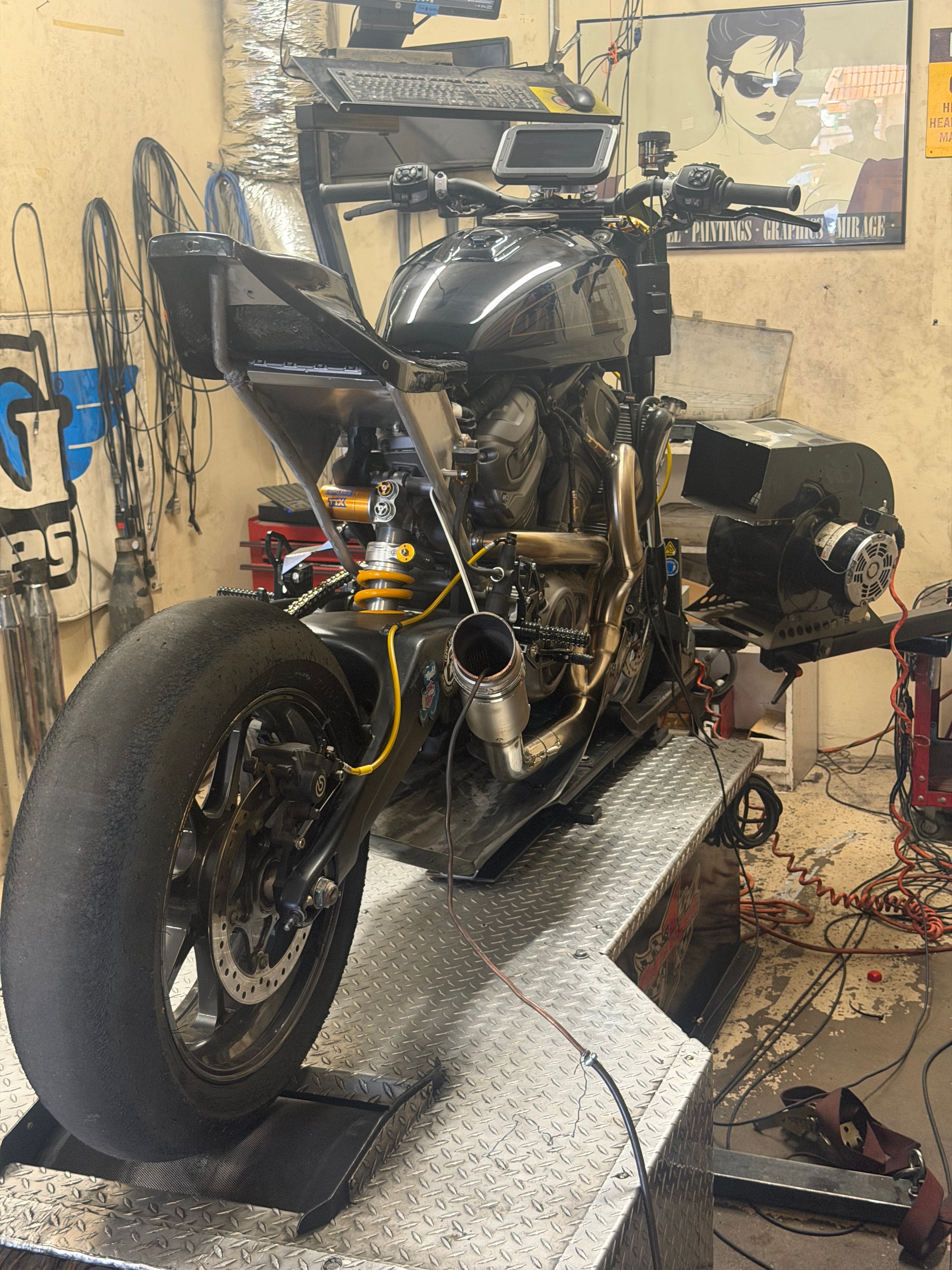
REM ISF Gear Wear Study
Long-term wear comparison between REM isotropic superfinished transmission gears and standard-finish gears in identical race applications. Results confirmed measurable reduction in heat generation and wear debris after 20+ race events.
Cylinder Head Development
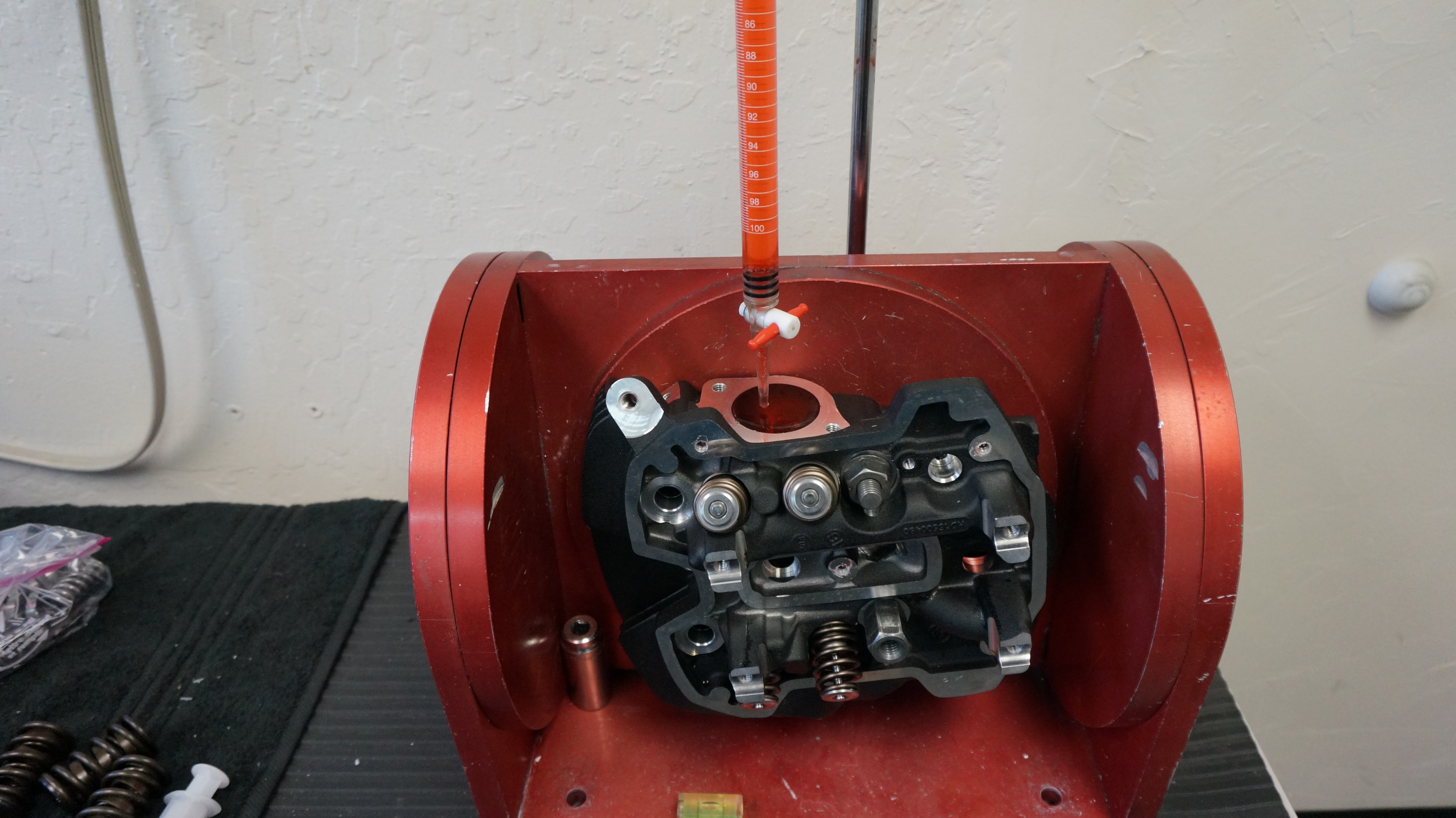
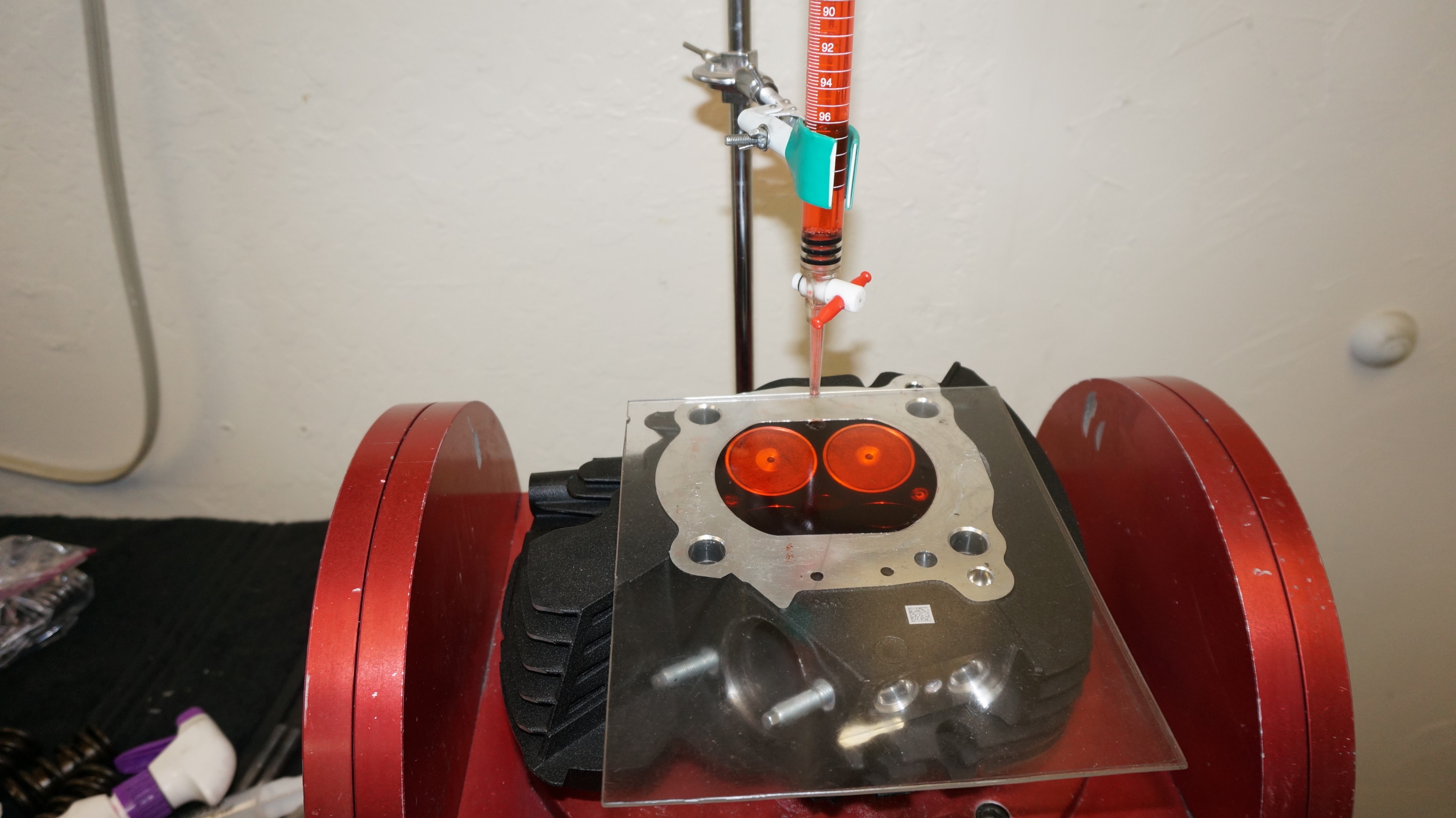
Combustion Chamber Volume Optimization
Mapping the effect of combustion chamber volume on compression ratio and detonation threshold across pump and race fuel grades. Established a working matrix of chamber volumes, piston dome heights, and fuel octane requirements for street and race cylinder heads
Vapor Blast Process
Alloy Surface Finish Consistency Study
Developing a repeatable blast protocol for aluminum alloy engine cases and covers to achieve consistent surface finish across different alloy grades and casting densities. Goal is a documented process spec that produces predictable Ra values regardless of operator.
GOT A PROBLEMWORTH SOLVING?
If you're chasing a number that nobody's hit yet, we want to hear about it. Bring us the hard ones.
START THE CONVERSATION →